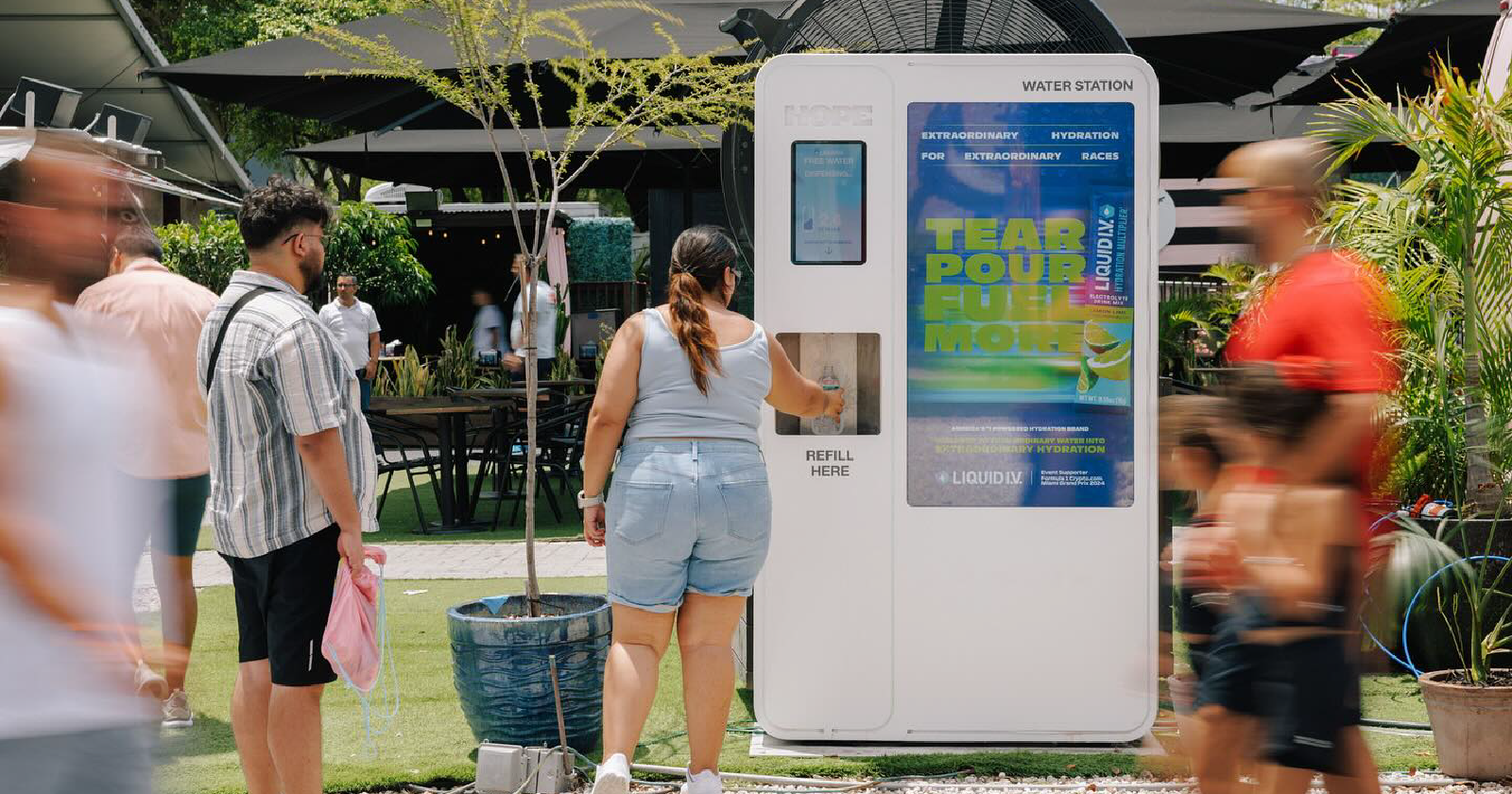
The DOOH Kiosk Monetization Playbook: How Operators Are Generating Six Figures in Ad Revenue
Learn how DOOH kiosk operators generate six figures in ad revenue using programmatic inventory, direct brand deals, and Skoop's ad exchange platform.
March 18, 2026
8 min read

Most digital signage operators are leaving serious money on the table. Their screens are running, their locations have foot traffic, and their audiences are captive — but they're not generating a single dollar from that inventory. This playbook changes that.
We're going to walk through exactly how DOOH kiosk operators are building programmatic ad revenue streams — some generating hundreds of thousands of dollars annually — using Skoop's platform and ad exchange infrastructure.
Why DOOH Kiosk Advertising Is a Real Business Now
Out-of-home advertising is having a renaissance. Programmatic DOOH is one of the fastest-growing segments in digital advertising, with brands actively looking for high-quality, high-dwell-time screen inventory outside of traditional billboards and transit panels.
Kiosk and retail screen operators sit in a uniquely powerful position. You own the physical real estate, you control the audience environment, and — with the right platform — you can tap directly into the same ad exchanges that power billion-dollar digital media networks.
The barrier used to be technical complexity. Building a monetizable DOOH network required custom ad servers, DSP integrations, and expensive agency relationships. That infrastructure is now accessible through platforms like Skoop without hiring a single developer.
Step 1: Understand What Makes Inventory Valuable
Before you can sell ad space, you need to understand what buyers actually pay for. Programmatic DOOH buyers evaluate inventory on a few core dimensions:
Getting these inputs right before you connect to an exchange is the difference between $8 CPMs and $40+ CPMs on the same screen.
Step 2: Set Up Your Programmatic Infrastructure
This is where most operators get stuck. Connecting a screen to a programmatic demand source sounds technical — and historically it was. With Skoop, it's not.
Skoop's Retail Media Network and ad sales platform handles the exchange connectivity, impression tracking, and revenue reporting directly inside your dashboard. You're not managing ad tags or dealing with SSP integrations on your own.
Here's what the setup process looks like in practice:
Once configured, the platform runs programmatic auctions in the background while your regular content plays. You see revenue accumulate in real time without managing individual campaigns.
Step 3: Layer in Direct Brand Deals
Programmatic fills inventory efficiently, but direct brand deals is where the real money gets made.
Skoop operates a brand co-op model that's particularly powerful for dispensary operators. Brands already carried by a dispensary — cannabis producers, edible companies, accessory brands — actively want to advertise on those dispensary screens. The audience is already in-market and purchase-ready.
Skoop generates hundreds of thousands of dollars in ad revenue for kiosk and DOOH clients by connecting screen operators directly to brand budgets through its ad exchange — no agency middleman required.
For non-cannabis retail operators, the same logic applies. If you carry specific brands, those brands have co-op marketing budgets they're already spending. Your screens are a more targeted, more measurable placement than a generic trade publication ad or a regional radio buy.
Direct deals typically command 2-4x the CPM of programmatic inventory. If your programmatic floor is $12 CPM, a direct brand deal for the same inventory might price at $30-50 CPM with guaranteed volume commitments.
Step 4: Price Your Inventory Correctly
Underpricing is the most common mistake new DOOH operators make. They see a $5-8 CPM from early programmatic fill and assume that's the market rate. It's not.
DOOH CPMs vary enormously based on environment, audience quality, and deal structure. Here's a rough framework:
Floor prices should be set to protect your premium positioning. Once you start filling at $6 CPM, it's hard to move buyers to $25 CPM on the same inventory. Start higher than you think you need to and adjust based on actual fill rates.
Step 5: Optimize Fill Rates Without Burning Audience Experience
Fill rate is the percentage of available ad impressions that actually get purchased. 100% fill sounds ideal but it isn't — a screen running nothing but ads loses its value as a content environment, which is what attracted your audience in the first place.
The right balance for most operators is somewhere between 25-40% ad inventory with 60-75% house content. This keeps the screen useful and engaging for your audience while generating meaningful revenue from the ad slots.
Skoop's screen management tools let you configure these ratios at the individual screen level, so a high-traffic entrance screen might run more ad inventory than a utility-focused menu board in the back of the same location.
Improving fill rate without lowering floor prices comes down to a few levers:
Step 6: Use AI to Make Your Ad-Adjacent Content Better
Here's something most DOOH operators miss: the content playing between your ads directly affects how valuable your ad inventory is.
If your house content is low-quality, static, or boring, audience attention drops. When attention drops, ad recall drops. When ad recall drops, repeat buyers pay less and fill rates decline.
Skoop's AI Studio lets operators generate high-quality, dynamic content — animated menus, interactive maps, real-time data displays — from a simple text prompt. No design budget, no developer, no agency.
What used to cost $10,000 in custom creative now takes one prompt and five minutes.
Better house content creates a better screen environment. A better screen environment makes your ad inventory worth more to buyers. The investment in content quality pays back through higher CPMs and better direct deal pricing.
Real Numbers: What Six-Figure DOOH Revenue Actually Looks Like
Let's make this concrete. A DOOH operator running 50 screens across 25 locations with solid foot traffic can realistically model the following:
Even at half those impression rates or a more conservative $12 blended CPM, you're looking at $200,000-
300,000 annually from inventory that was previously generating nothing.
The operators hitting the high end of this range are doing a few things consistently: they're running direct brand deals alongside programmatic, they're keeping their floor prices high, and they're investing in content quality to protect audience engagement.
Hardware Doesn't Have to Be a Barrier
One reason operators delay building out DOOH revenue infrastructure is hardware anxiety. They assume they need to swap out existing screens or buy proprietary players.
Skoop runs natively on any SOC display — Samsung, LG, Sony, TCL — without additional hardware. It's also the official software powering the Amazon Signage Stick, which means you can deploy monetizable screens at a fraction of traditional hardware costs.
If you have screens already running, there's a very good chance Skoop works on them today without a single hardware purchase. Your path to ad revenue might be shorter than you think.
What to Do This Week
If you're running kiosk or DOOH screens and not generating ad revenue, here's a concrete starting point:
The ad revenue opportunity for DOOH operators is real, it's growing, and most of your competitors haven't figured it out yet. That window won't stay open forever.
Want to see exactly what your screen network could generate? Book a demo with Skoop and we'll walk through your specific inventory, location mix, and a realistic revenue projection — no generic pitch, no obligation.